

Assam is one of the richest biodiversity regions in India, located in the Eastern Himalayan and Indo-Burma biodiversity hotspots. The state is characterized by diverse ecosystems such as tropical rainforests, grasslands, wetlands, and riverine habitats, mainly influenced by the mighty Brahmaputra River.
Assam supports a wide variety of flora and fauna, including several endemic and endangered species like the one-horned rhinoceros, golden langur, and pygmy hog.
Concept of National Parks
Definition and Key Features
National Parks are strictly protected areas designated for the conservation of wildlife and natural habitats, where human activities such as grazing, hunting, and cultivation are prohibited.
Key Features:
Legal protection and strict regulation
No exploitation of natural resources
Focus on ecosystem preservation
Managed by government authorities
Legal Status
National Parks in India are established under the provisions of the Wildlife (Protection) Act, 1972, which provides a legal framework for wildlife conservation and management.
List of National Parks in Assam
Assam currently has seven national parks:
Kaziranga National Park
Manas National Park
Orang National Park
Nameri National Park
Dibru-Saikhowa National Park
Dehing Patkai National Park
Raimona National Park
Brief Description of National Parks
1. Kaziranga National Park
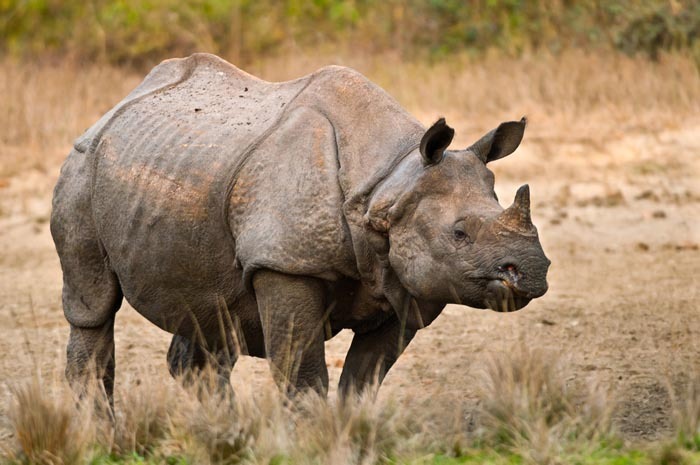

Location: Golaghat and Nagaon districts
Habitat: Floodplain grasslands, wetlands, and forests
- Key Species: One-horned rhinoceros, tiger, elephant, swamp deer
- Significance: Global stronghold of rhinoceros
- Special Status: UNESCO World Heritage Site, Tiger Reserve
2. Manas National Park


Location: Foothills of Bhutan (Baksa district)
Habitat: Forests, grasslands, riverine ecosystems
Key Species: Golden langur, tiger, pygmy hog
Significance: High biodiversity and endemism
Special Status: UNESCO World Heritage Site, Biosphere Reserve, Tiger Reserve
3. Orang National Park


Location: Darrang and Sonitpur districts
Habitat: Grasslands and wetlands
Key Species: Rhinoceros, tiger, wild buffalo
Significance: Known as “Mini Kaziranga”
Special Status: Tiger Reserve
4. Nameri National Park


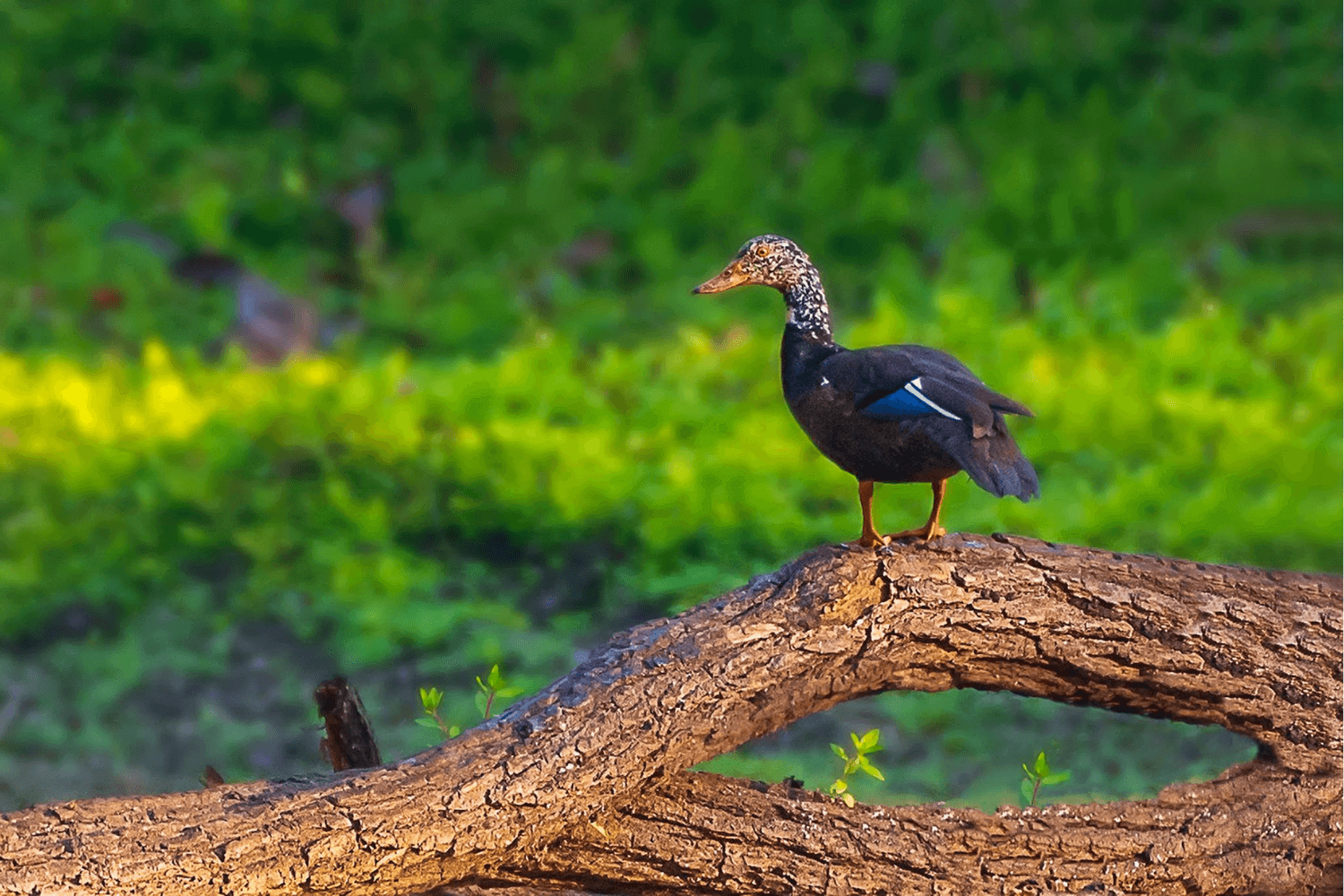
Location: Sonitpur district
Habitat: Tropical evergreen forests and river systems
Key Species: White-winged wood duck, elephant, tiger
Significance: Important bird conservation area
Special Status: Part of Tiger Reserve
5. Dibru-Saikhowa National Park
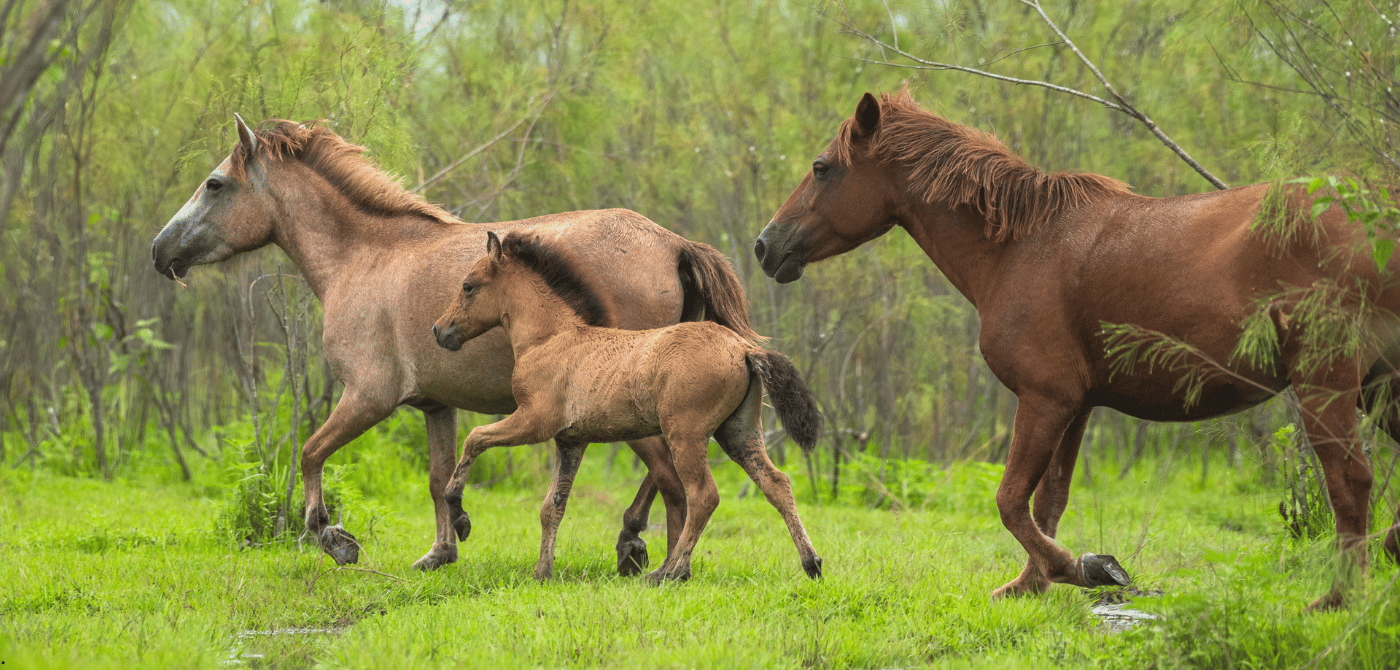
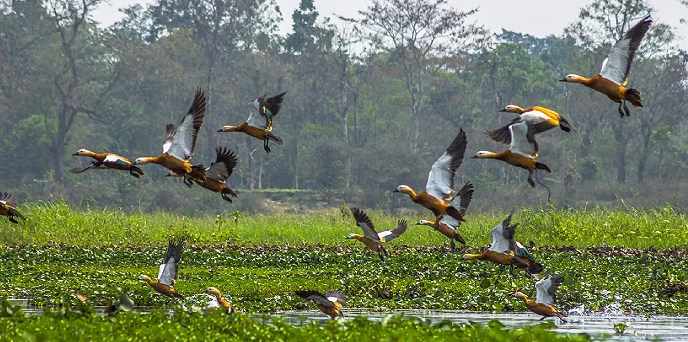
Location: Tinsukia district
Habitat: Wetlands, grasslands, riverine forests
Key Species: Feral horses, migratory birds
Significance: Important biosphere reserve area
6. Dehing Patkai National Park

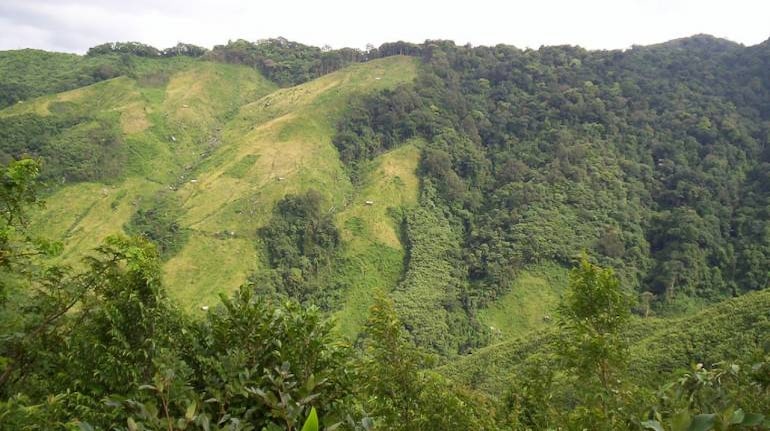
Location: Dibrugarh and Tinsukia districts
Habitat: Tropical rainforest (Amazon of the East)
Key Species: Hoolock gibbon, clouded leopard
Significance: Only rainforest national park in Assam
7. Raimona National Park
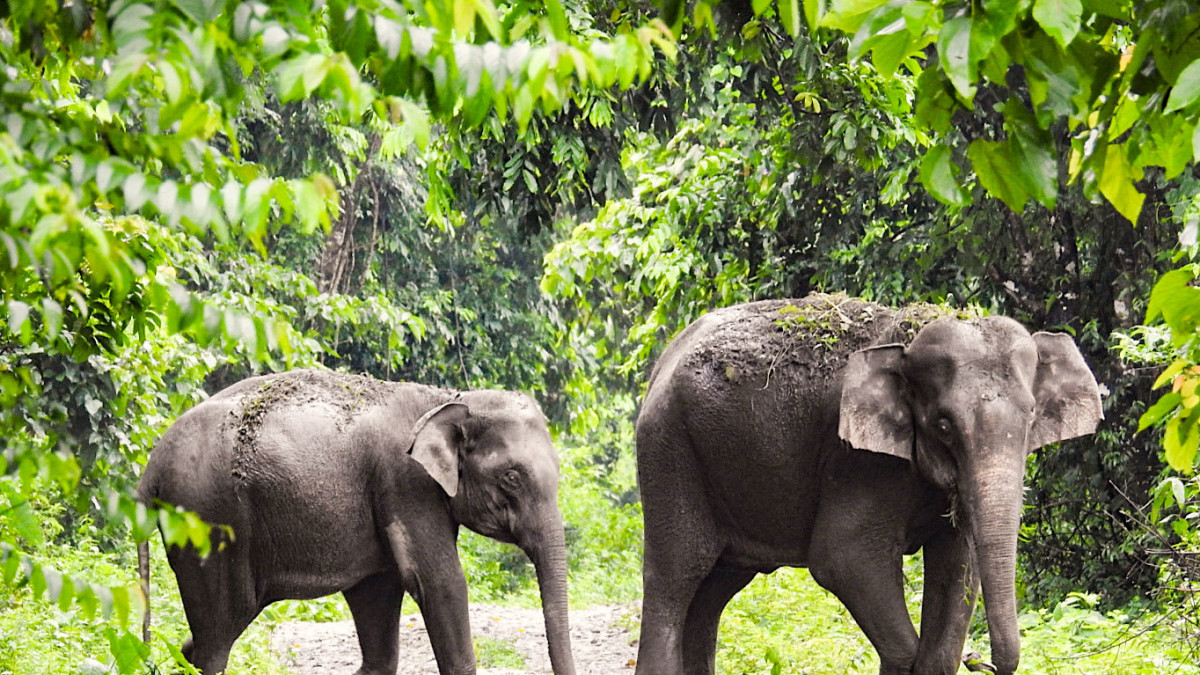
Location: Kokrajhar district
Habitat: Semi-evergreen forests
Key Species: Golden langur, elephant
Significance: Newly declared park enhancing conservation in Bodoland region
Ecological and Conservation Importance
Biodiversity Conservation: Protects endangered and endemic species
Habitat Protection: Safeguards diverse ecosystems
Ecosystem Services: Maintains climate regulation, water cycles, and soil fertility
Genetic Conservation: Preserves genetic diversity of species
Challenges and Threats
Floods: Annual floods of the Brahmaputra affect parks like Kaziranga
Poaching: Illegal hunting of rhinos and other animals
Habitat Loss: Encroachment and deforestation
Human-Wildlife Conflict: Crop damage and livestock predation
Climate Change: Alters habitats and species distribution
Conservation Measures and Management Strategies
Government Initiatives
Implementation of Wildlife Protection Act
Project Tiger and Project Elephant
National Wildlife Action Plan
Community Participation
Eco-development committees
Local involvement in conservation
Anti-Poaching Measures
Use of modern technology (drones, surveillance)
Strict patrolling and enforcement
Conclusion
National Parks in Assam form a crucial part of India’s protected area network and play a vital role in conserving biodiversity. Despite facing challenges like floods and poaching, effective management and community participation have helped in improving conservation outcomes. Strengthening these efforts will ensure long-term sustainability and protection of Assam’s rich natural heritage.
Q and A:
1.Which endangered species are protected within Assam's seven national parks?
Ans: Assam’s seven national parks play a vital role in conserving wildlife by providing strict legal protection to many endemic and endangered species. Activities such as hunting, grazing, and resource extraction are not allowed, ensuring that these species can survive in their natural habitats. As one of India’s most important biodiversity hotspots, Assam safeguards a remarkable range of wildlife:
- One-horned rhinoceros: This iconic and endangered species is mainly found in Kaziranga National Park—the world’s most important stronghold for the species—and Orang National Park, often called “Mini Kaziranga.”
- Golden langur: This rare primate is protected in the forests of Manas National Park and Raimona National Park.
- Pygmy hog: One of the smallest and most endangered wild pigs, it survives in the grasslands and riverine habitats of Manas National Park.
- Tiger: Under India’s Project Tiger initiative, tigers are conserved in several parks, including Kaziranga National Park, Manas National Park, Orang National Park, and Nameri National Park.
- Elephant: These large mammals are protected in Kaziranga National Park, Nameri National Park, and Raimona National Park.
- White-winged wood duck: This rare bird finds refuge in the dense evergreen forests of Nameri National Park.
- Hoolock gibbon and clouded leopard: These elusive species are protected in Dehing Patkai National Park, the state’s only rainforest national park.
- Swamp deer and wild buffalo: These species depend on floodplain grasslands and wetlands—swamp deer are found in Kaziranga National Park, while wild buffalo thrive in Orang National Park.
- Feral horses and migratory birds: These are key species of the wetlands and riverine ecosystems of Dibru-Saikhowa National Park.
By protecting such a wide variety of habitats—from tropical rainforests to floodplain grasslands and riverine systems—Assam’s national parks help preserve the genetic diversity of these species and shield them from threats like poaching, habitat loss, and climate change.
2. What makes Dehing Patkai unique compared to other parks?
Ans: Dehing Patkai National Park stands apart from the other national parks of Assam because it is the state’s only rainforest national park. Its dense tropical evergreen forests are so rich and lush that it is often called the “Amazon of the East.”
References
Rodgers, W.A., Panwar, H.S., & Mathur, V.B. (2002). Wildlife Protected Area Network in India
Ministry of Environment, Forest and Climate Change Reports
Wildlife (Protection) Act, 1972
Primack, R.B. (2014). Essentials of Conservation Biology
Odum, E.P. (1971). Fundamentals of Ecology




0 Comments